

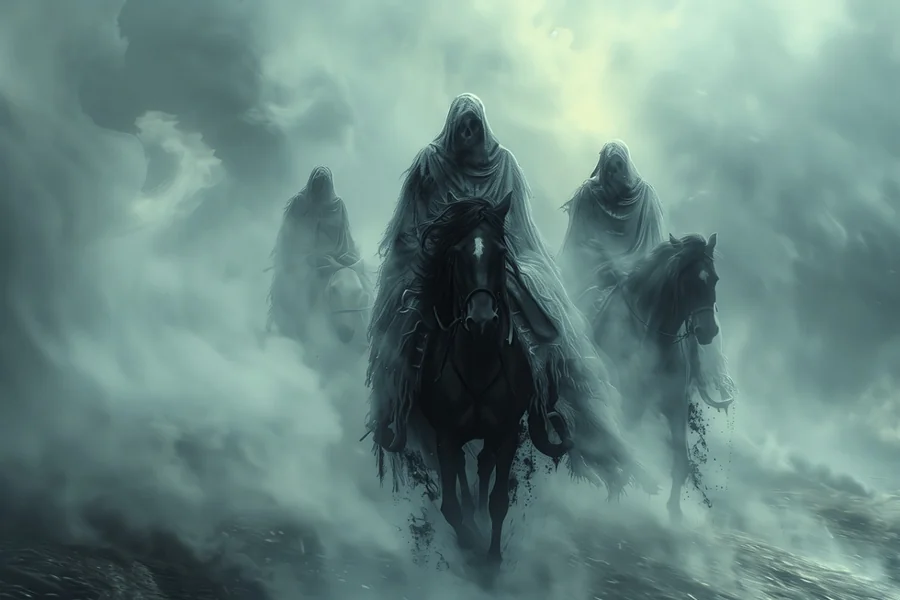
In the vast landscapes of modern fantasy fiction, names are more than mere labels—they’re portals into carefully constructed worlds, carrying cultural weight, historical significance, and character essence.
The evolution of naming conventions in fantasy literature reveals not only creative trends but also reflects our changing cultural landscape and the expanding boundaries of the genre itself.
The Power of Names in Fantasy Worlds
Names in fantasy fiction serve multiple functions beyond simple identification. They establish tone, build worldbuilding foundations, convey character traits, and often foreshadow narrative developments.
As Brandon Sanderson, a master of modern fantasy worldbuilding, notes: “The right name can tell you more about a character than paragraphs of description.”
Modern fantasy has moved far beyond the Tolkien-inspired naming conventions that dominated the genre for decades. Today’s fantasy authors embrace diverse linguistic influences, subvert traditional naming patterns, and create naming systems that feel both alien and eerily familiar.
Current Naming Trends in Modern Fantasy
1. Cultural Fusion and Diverse Influences
Modern fantasy increasingly draws naming inspiration from non-Western cultures, moving beyond the predominantly European medieval influences that once dominated the genre.
Authors like R.F. Kuang (The Poppy War), Tomi Adeyemi (Children of Blood and Bone), and Fonda Lee (Jade City) incorporate naming conventions from Asian and African cultural traditions, creating rich tapestries that reflect our globalized world.
This trend toward cultural fusion creates names that feel fresh yet grounded in recognizable linguistic patterns. N.K. Jemisin’s Broken Earth trilogy masterfully blends invented names with those inspired by multiple real-world cultures, creating a sense of both familiarity and otherworldliness.
2. Symbolic and Elemental Naming
Modern fantasy authors frequently employ names rich with symbolic meaning, particularly when drawing from elemental forces. Fire-based names have seen a remarkable resurgence, with phoenix-inspired nomenclature leading this trend.
The phoenix’s symbolism of rebirth, transformation, and eternal renewal resonates powerfully in contemporary narratives dealing with resilience and personal transformation.
For writers seeking to incorporate this trend, specialized resources like NameCraft’s comprehensive guide to phoenix name ideas provide a wealth of options, from historically-rooted names like “Fenix” to more contemporary creations that capture the phoenix’s fiery essence.
3. Subversion of Traditional Gender Markers
Modern fantasy increasingly challenges traditional gender-marked naming conventions. Authors like V.E. Schwab and Rebecca Roanhorse create worlds where names exist independent of gender binaries, reflecting evolving real-world conversations about gender fluidity.
This trend manifests in several ways: gender-neutral names becoming more prevalent, traditionally gendered names being used regardless of character gender, and entirely new naming systems that don’t incorporate gender distinctions at all.
4. Phonetic Intentionality
Today’s fantasy authors demonstrate increasing sophistication in phonetic symbolism—using sound patterns to evoke specific impressions.
Harsh consonants for antagonists (Voldemort, Sauron) versus softer sounds for protagonists is a classic technique, but modern authors apply this with greater subtlety.
Patrick Rothfuss’s The Name of the Wind exemplifies this trend with names like “Kvothe”—phonetically complex yet pronounceable, with sounds that evoke both strength and mystery.
The rise of audiobooks has likely influenced this trend, as authors consider how names sound when read aloud.
5. Naming Systems Rather Than Individual Names
Rather than creating names in isolation, contemporary fantasy authors often develop comprehensive naming systems with consistent linguistic rules.
N.K. Jemisin, J.R.R. Martin, and Steven Erikson all employ distinct naming conventions for different cultures in their worlds, creating an internal consistency that enhances worldbuilding.
This systematic approach helps readers intuitively recognize character origins and cultural affiliations through naming patterns alone. It’s a sophisticated technique that rewards attentive readers with deeper worldbuilding insights.
Case Study: Phoenix Names as Microcosm of Modern Trends
The evolution of phoenix-inspired naming illustrates broader trends in fantasy nomenclature. Traditional phoenix names drew heavily from Greek mythology (Phoenix) and Latin roots. Modern fantasy has expanded this palette dramatically, incorporating:
- Cross-cultural phoenix mythology (Feng Huang from Chinese mythology, Bennu from Egyptian traditions)
- Elemental fire associations (Ember, Blaze, Inferno)
- Symbolic rebirth themes (Renascent, Nova, Genesis)
- Phonetically evocative constructions (Azarion, Pyralis, Ignacia)
Resources like NameCraft’s phoenix name collection showcase this evolution, offering writers options that range from mythologically authentic to imaginatively contemporary. This specialized focus mirrors the broader trend toward deeper research and intentionality in fantasy naming practices.
Practical Applications for Writers
For writers navigating these evolving naming conventions, several principles emerge:
Consistency is crucial. Whether developing names for characters, places, or magical elements, internal consistency creates believability. Names from the same culture or region should follow similar phonetic and structural patterns.
Research deepens authenticity. When drawing inspiration from real-world cultures, thorough research prevents superficial appropriation. Specialized resources like cultural naming guides provide valuable starting points.
Sound matters as much as meaning. Consider how names sound when spoken aloud. Read character names out loud during the drafting process to ensure they flow naturally in dialogue.
Names evolve within worlds. Just as real-world names evolve through historical processes, fictional names should reflect historical and cultural forces within your created world.
Specialized resources enhance creativity. When developing themed names—like those inspired by phoenixes or other mythological elements—specialized collections can spark creativity while ensuring authenticity. NameCraft’s phoenix name guide exemplifies this targeted approach, offering writers a foundation to build upon.
The Future of Fantasy Naming
Looking forward, several emerging trends suggest where fantasy naming conventions may be heading:
- Increased linguistic diversity reflecting global storytelling traditions
- Names designed to function effectively across multiple media (print, audio, visual)
- Deeper integration between names and constructed language systems
- Greater emphasis on names that work across cultural boundaries
The democratization of fantasy publishing has amplified diverse voices, each bringing unique naming traditions to the genre. This cross-pollination of naming conventions promises even richer possibilities for future fantasy worlds.
Conclusion
Names in modern fantasy fiction have evolved from simple identifiers to sophisticated worldbuilding tools. Today’s fantasy authors approach naming with unprecedented intentionality, drawing from diverse cultural influences, phonetic symbolism, and specialized research.
For writers developing character names, places, or magical elements, resources like NameCraft’s phoenix naming guide offer valuable starting points.
By understanding current naming trends while developing your own consistent approach, you can create names that resonate with readers while reinforcing your unique worldbuilding vision.
In fantasy worlds, names do more than identify—they illuminate. Choose them with care, and they’ll brighten your entire fictional universe.
