

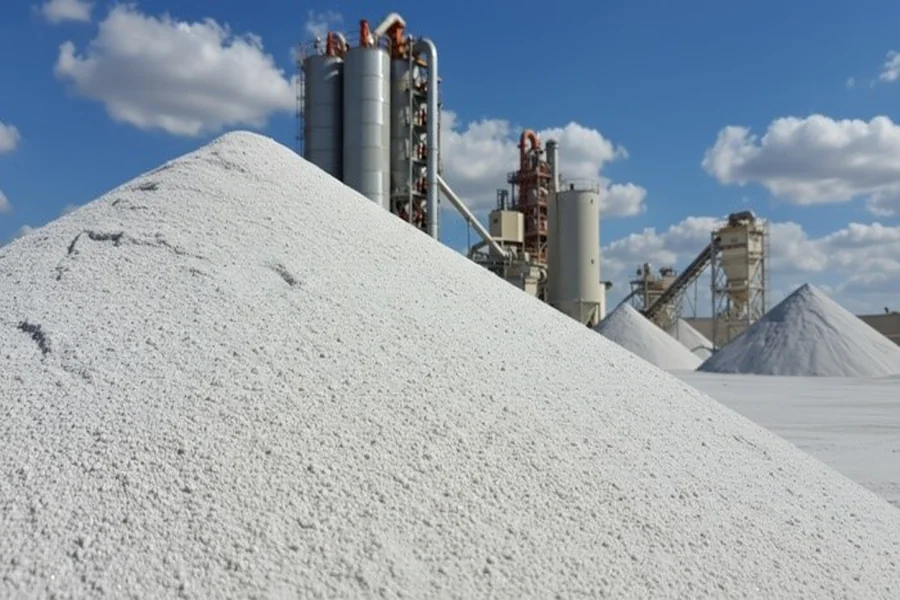
Gypsum powder is a critical raw material in multiple industries — from construction and agriculture to ceramics and pharmaceuticals. However, not all gypsum is created equal. The performance, efficiency, and final results of your project depend heavily on the purity and quality of the gypsum powder you use. For contractors, manufacturers, and importers, understanding how to identify high-quality gypsum powder is essential. In this guide, we’ll break down the factors that define quality, testing methods, visual cues, and why sourcing from reputable producers such as Jonoub Gypsum guarantees consistent results.
What Makes Gypsum Powder “High Quality”?
High-quality gypsum powder is primarily characterized by its purity, particle size, whiteness, and chemical stability. The ideal gypsum powder should contain more than 90% calcium sulfate dihydrate (CaSO4·2H2O) with minimal impurities like clay, silica, or limestone. These impurities can affect the setting time, strength, and overall performance of gypsum-based products. Pure gypsum ensures smooth texture, optimal bonding, and superior strength across applications such as plaster, drywall, cement, and soil treatment.
Check the Source and Origin
The origin of gypsum plays a major role in its quality. Countries like Iran are globally recognized for having some of the purest natural gypsum reserves, particularly in the south. High-grade Iranian gypsum is prized for its brightness, fine grain, and consistent mineral composition. When buying gypsum, always verify the mine source and request geological or origin certificates. Trusted suppliers like Jonoub Gypsum provide detailed information about their raw material sources, ensuring transparency and reliability.
Evaluate Chemical Purity
Chemical composition is the foundation of gypsum quality. The higher the calcium sulfate content, the better the performance. A laboratory chemical analysis (using X-ray fluorescence or titration methods) can confirm the purity level. Look for gypsum powder with:
- Calcium Sulfate (CaSO4·2H2O): 90% or higher
- Moisture Content: Below 5%
- Impurities (Silica, Iron, Carbonates): Below 3% High-purity gypsum delivers consistent results in construction and agriculture because it reacts uniformly and offers predictable setting behavior.
Observe Color and Whiteness
Color is one of the easiest visual indicators of gypsum quality. High-quality gypsum powder is pure white or slightly off-white, indicating low impurity levels. Yellowish, grayish, or brownish tones suggest contamination with clay, iron, or other minerals. The whiteness index of gypsum is often measured in percentages (with 85% or higher being excellent). High whiteness is especially important for decorative plaster, paint-grade surfaces, and export-quality products.
Test Particle Fineness
The fineness of gypsum powder influences how it mixes, sets, and adheres to surfaces. High-quality gypsum has a fine, uniform particle size, which leads to a smoother finish and better surface coverage. Industrially, fineness is measured by sieving or laser particle analysis. Gypsum that passes through a 150-micron sieve is generally considered suitable for high-performance applications. Coarse or uneven particles can cause rough textures and affect bonding strength.
Assess Setting Time
Setting time is crucial in construction and manufacturing. If gypsum sets too quickly, workers won’t have enough time to apply it properly. If it sets too slowly, productivity drops. High-quality gypsum offers a balanced setting time — typically between 6 to 25 minutes depending on the application. You can perform a simple test: mix a small batch with water and observe the hardening period. Consistent setting behavior indicates stable composition and purity.
Examine Texture and Consistency
When touched, pure gypsum powder should feel silky and smooth, not gritty or coarse. This indicates fine grinding and low impurity levels. Mix a small quantity with water — high-quality gypsum forms a lump-free, creamy paste. If it feels sticky or grainy, the material likely contains excess moisture or unwanted minerals.
Consider Moisture Content
Moisture plays a significant role in gypsum quality and shelf life. Excess moisture can cause gypsum to clump, lose reactivity, or develop mold. The ideal moisture content should be under 5%. Always store gypsum in a dry environment and avoid suppliers that fail to provide moisture control assurances.
Verify with Laboratory Testing
Professional buyers or bulk importers should always verify gypsum quality with laboratory testing. Common tests include:
- Chemical analysis (to confirm purity)
- Whiteness test
- Fineness test
- Setting time measurement
- Moisture content test
Many reputable suppliers like Jonoub Gypsum provide pre-tested, certified gypsum powder along with technical data sheets, ensuring buyers get reliable, high-performance material every time.
Packaging and Storage Conditions
Even the best gypsum powder can degrade if stored poorly. Moisture, temperature fluctuations, and improper packaging lead to quality loss. Always ensure that your supplier uses moisture-resistant, sealed bags and provides details on storage recommendations. High-quality gypsum should maintain its free-flowing nature without clumping.
Price vs. Quality – Avoid Cheap Traps
While price is an important factor, extremely low-cost gypsum powder often signals lower purity or substandard processing. High-quality gypsum requires proper mining, washing, and refining — processes that naturally add value. Instead of focusing solely on price, evaluate the cost-performance ratio. Reliable suppliers like Jonoub Gypsum balance competitive pricing with uncompromised quality, making them a preferred choice for long-term partnerships.
Discover Jonoub High-Quality Gypsum Powder!
Why Supplier Reputation Matters
Choosing the right supplier is as important as the product itself. A reputable supplier offers:
- Consistent product quality and purity
- On-time delivery and logistics support
- Technical documentation and quality certificates
- Transparent pricing and global export capabilities
Suppliers from Iran, particularly Jonoub Gypsum, are recognized globally for their high-purity natural gypsum, strict quality control, and customer-focused service. Partnering with a trusted brand ensures that every batch you receive meets international standards.
Common Red Flags to Watch Out For
When evaluating gypsum powder, beware of these warning signs:
- Powder feels damp or forms lumps.
- The color appears yellow, gray, or uneven.
- Strong odor indicating contamination.
- Inconsistent setting times.
- Lack of technical documentation from the supplier. Avoiding these pitfalls will help you maintain product integrity and prevent costly rework or material waste.
Conclusion: Buy Smart, Build Strong
High-quality gypsum powder is the foundation of successful construction, farming, and industrial applications. From purity and color to fineness and setting time, every factor contributes to performance and durability. By understanding how to identify top-grade gypsum and sourcing from trusted suppliers like Jonoub Gypsum, you ensure that your projects meet the highest standards of quality and efficiency. In an industry where material integrity defines success, investing in pure, reliable gypsum is always the smart choice.
