

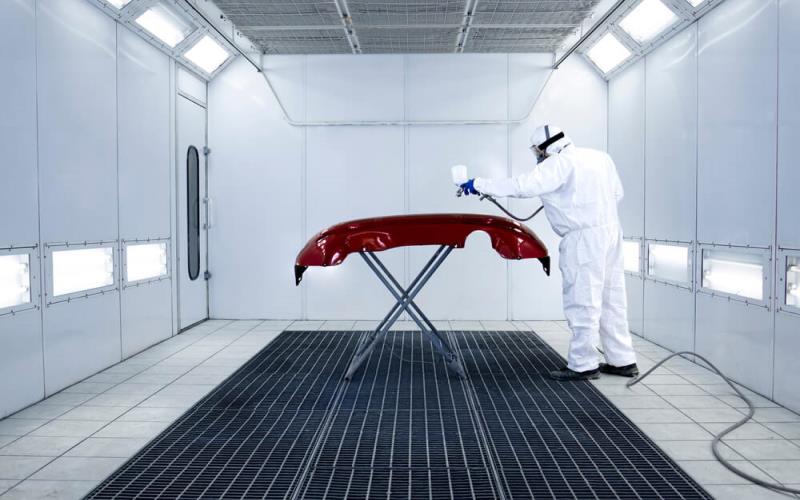
EPA rules aren’t just red tape—they’re there to keep the air cleaner and workplaces safer. For businesses using an industrial paint booth, meeting these standards doesn’t have to be a hassle. With the right setup, it can actually be easier than expected—and might even save money in the long run.
Specialized Booth Filtration Systems That Simplify EPA Compliance
Filtration is the first line of defense in any industrial paint booth. It catches overspray and keeps harmful particles from escaping into the air. What many don’t realize is that not all filters are built the same. High-efficiency filters, like multi-stage systems or HEPA filters, are designed to trap even the tiniest particles before they leave the booth. These specialized systems help businesses stay within EPA guidelines without constant maintenance or complex workarounds.
A good filtration system doesn’t just meet EPA expectations—it makes inspections less stressful. When inspectors see proper filters in place and records of regular filter changes, it builds trust. This means fewer surprises during evaluations and more peace of mind. In short, picking the right booth filter setup is a smart step toward staying compliant and staying ahead.
Are Your Booth’s Airflow Patterns Optimized for EPA Emissions Standards?
Airflow inside a paint booth does more than just move fumes away—it controls how efficiently air gets cleaned before it exits. Booths that use crossdraft, downdraft, or semi-downdraft designs each manage airflow differently, but not all are equally effective when it comes to meeting EPA emissions standards. Some allow more escape of volatile compounds than others, especially if air doesn’t flow in a controlled, predictable path.
When airflow is properly balanced, contaminants get pulled straight into filters without lingering in the booth or escaping into the workspace. This cuts down on emissions and keeps the environment cleaner. Paint booths with optimized airflow don’t just improve paint quality—they help meet EPA limits with less effort. That makes airflow design a bigger deal than most realize, especially for businesses aiming to stay in line with strict environmental rules.
Reducing VOC Emissions—Why Booth Design is Crucial
Volatile Organic Compounds (VOCs) are the biggest concern when it comes to paint fumes. These invisible gases come from solvents in paints and coatings, and the EPA keeps a close eye on how much of them get released into the air. An industrial paint booth that’s not designed for VOC control can easily push a business out of compliance. Booths with poor sealing, incorrect pressure, or weak airflow let VOCs slip out too fast.
Booth design impacts how much fresh air comes in and how fast dirty air goes out. A well-sealed booth with proper exhaust systems traps more VOCs and pushes them through filters that actually work. Paint booths built with VOCs in mind help businesses stay under EPA thresholds, while also keeping workers safer. It’s not just a matter of switching paints—it’s about the booth doing its part, too.
Can Advanced Infrared Heating in Paint Booths Boost Environmental Compliance?
Infrared heating is gaining ground for a reason—it’s faster, cleaner, and energy-efficient. Unlike traditional systems that heat all the air in the booth, infrared warms only the surface of the part being painted. This focused heating helps paint cure faster and more thoroughly, locking in VOCs before they have a chance to escape into the environment.
By cutting cure time and reducing ambient air movement, infrared systems shrink the window during which emissions are released. That’s a win for the environment and the business. Many industrial paint booth setups now include infrared panels specifically for this reason. It’s a technology that not only boosts productivity but also helps meet environmental goals with modern, smart heating.
Understanding Booth Insulation’s Hidden Impact on EPA Standards
Insulation might not be the first thing that comes to mind when thinking about EPA compliance, but it matters more than people think. A booth that loses heat quickly has to run longer or harder to maintain temperature during curing. This not only wastes energy but can also increase emissions if curing isn’t done right. Good insulation keeps temperature steady and efficient throughout the painting process.
Better thermal control means fewer fluctuations, which helps the booth maintain proper curing and airflow without overworking the system. It also makes it easier to manage VOCs, since consistent heat keeps chemical reactions stable. Well-insulated industrial paint booths operate smoother, meet EPA expectations more easily, and cut down on energy use—all while helping maintain a safer work environment.
Tailored Industrial Booth Solutions for Effortless EPA Regulation Adherence
One-size-fits-all rarely works when it comes to staying EPA compliant. Every facility has different painting needs, and that means a booth should be matched to the job. Custom and semi-custom industrial paint booths offer the flexibility to meet EPA rules from the ground up. Whether it’s filter type, airflow direction, or curing setup, the right design can be built in from the start instead of patched on later.
Tailored booths can also be upgraded as regulations shift or operations grow. When a booth is built with EPA standards in mind, businesses don’t have to play catch-up every time the rules change. It turns the paint booth from a challenge into a reliable tool for compliance. In the long run, having a booth that’s made to fit the business makes EPA standards a lot easier to meet—and a lot less stressful.
