

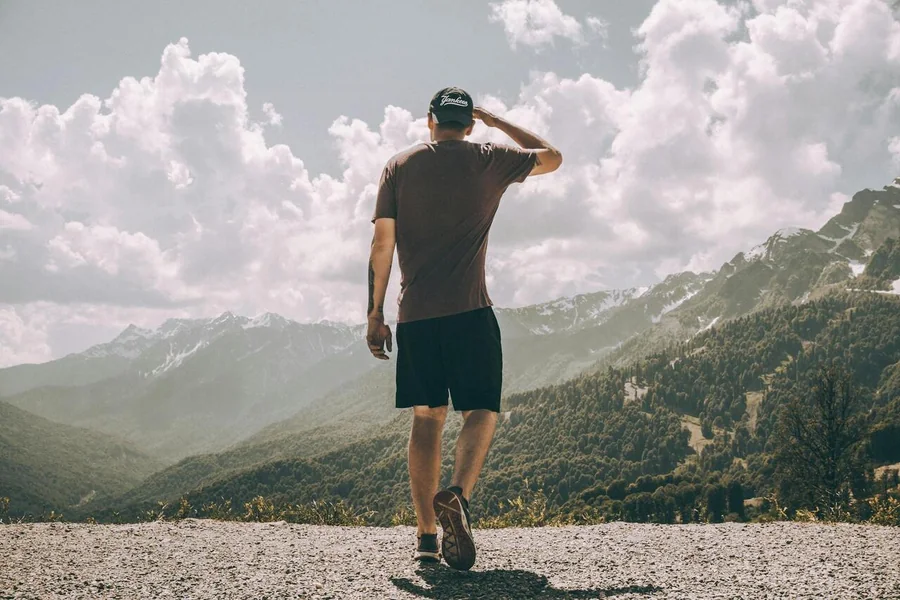
Making friends as an adult is hard. But for solo travelers, they feel like they’ve found a life hack. It sounds counterintuitive to head off on vacation by yourself, but if you do it right, you put yourself in endless situations with other like-minded folk who are looking for companionship.
Finding your rhythm
The first hurdle to relaxing and making friends is figuring out the logistics. It can feel overwhelming and prevents many from going in the first place, which is why support services exist to book your hotels and provide 24/7 assistance.
When the busy work is handled for you, you can begin to find your own rhythm. You have time to stop for a chat because you’re not rushing to the village to grab a last-minute room.
Choosing your path matters
Not every trail is the same either, and some are more remote than others, while many may have a different demographic that cannot speak the same language as you. You want a balance of solitude and busyness because too much of one can lead to isolation. Some paths hug the wild Atlantic coast, while others go through mountain passes. Europe is great for its diverse network of historical paths and these allow you to choose your ideal difficulty (again, if you get this wrong, your new friends may fall behind or storm ahead).
If you prefer coastal routes and a quieter experience, the Portuguese trails are a great introduction for new walkers. If you want a more challenging hike through the more demanding landscapes, you may go through the Pyrenees or even the Alps.
The spirit of the French Way
You may have decided that Camino de Santiago, in its essence, precisely ticks all the boxes. So, to find the boiled down, concentrated experience, there’s no better way to fnid the Camino family than in the most storied medieval corridor that remains. This is a bucket-list item for cultural historians and solo adventurers, and the route is famous for its infrastructure and the sheer number of pilgrims who walk it each year.
You are never truly alone unless you want to be. It’s a shared routine of waking at dawn, stopping for cafe con leche and sharing a communal meal at the end of the long day. There is more of a pre-existing rhythm that you can straight into. Traditions, in fact.
Shared stories
The beauty of walking alone is that it invites conversation and a sharing of experiences. In 2026, we rarely have the luxury of spending hours talking to a stranger. Small talk might happen in a third space, but nobody hangs around a cafe for long. On the trail, you can go from being a stranger to spending the entire day with someone – hearing their stories unfold more slowly. It could be twenty minutes or twenty kilometers. Ultimately, it cuts through the anxieties that suffocate interactions in modern life because you’re in a vacuum where there is no work, nearby family, and no place to be except a shared destination.
