

Ask most warehouse or retail managers what they think about their waste equipment and you’ll get a shrug. It’s the sort of purchase that only gets attention once something goes wrong, a skip that’s overflowing again, a collection bill that’s crept up without explanation, or a corridor half-blocked by flattened boxes nobody’s dealt with yet. By the time it becomes a problem worth solving, most businesses have already lost months of unnecessary spend without realising it.
The confusion usually starts with the choice itself. A cardboard baler and a compactor look similar from a distance, both squash waste down and both promise fewer collections, but they’re built for different jobs. Picking the wrong one doesn’t just waste money, it can leave a site with equipment that either sits unused half the time or can’t keep pace with what’s actually coming off the shop floor.
Two Machines, Two Very Different Jobs
What a Baler Actually Does
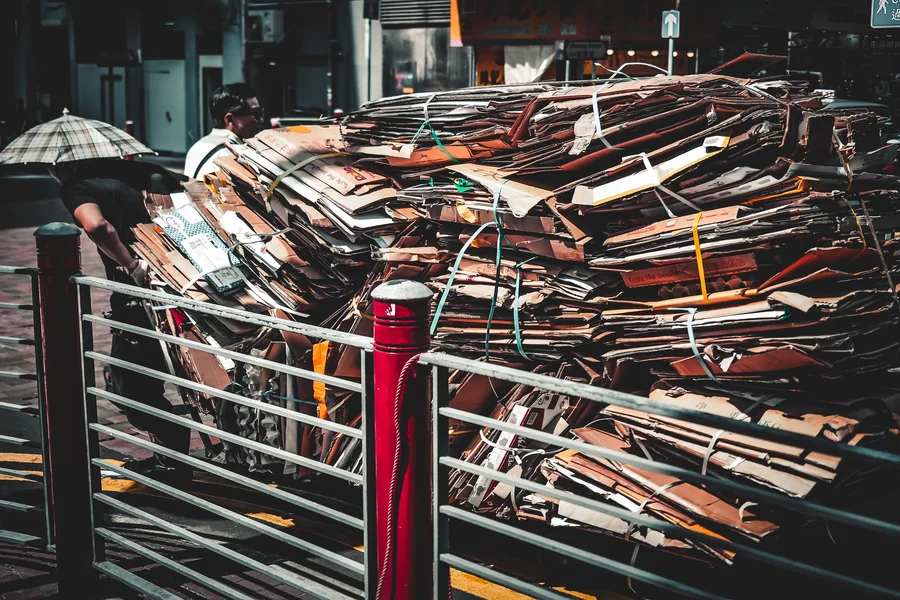
A baler is built around a single material, usually cardboard, and compresses it into dense, tightly bound blocks that stack neatly and store well. Because the output is a clean, uniform bale, it’s far easier to sell on to recyclers, which can turn a cost centre into a small but genuine revenue stream. This makes balers the obvious choice for retailers, distribution centres, and any site where cardboard dominates the waste stream.
Where a Compactor Fits Better
A compactor, by contrast, handles mixed general waste, whatever doesn’t sort neatly into a single stream. It compresses everything into a sealed container ready for collection, without trying to separate materials for resale. Hospitality venues, offices, and sites with a broad mix of non-recyclable waste tend to get more practical value from a compactor than from equipment built specifically for one material.
Getting the Decision Right
The honest starting point is an audit of what actually fills the bins each week, not a guess based on gut feeling. Sites that produce a steady, high volume of cardboard from deliveries or online orders will usually see a baler pay for itself faster, particularly once recycling rebates are factored in. Mixed-waste sites, or those with fluctuating volumes across seasons, generally get more consistent value from a compactor instead.
Mil-tek approaches this the same way with every enquiry: size the equipment to the site, not the other way round. A machine that’s too large sits half-empty and eats floor space for no reason, while one that’s undersized gets overwhelmed and stops delivering any real saving. Getting that balance right from the outset tends to matter more to the long-term return than the brand of machine itself.
The Compliance Angle Businesses Can’t Ignore
This decision now sits alongside a legal one, too. Under the Simpler Recycling rules introduced in England, workplaces must now separate recyclable materials, including paper and cardboard, from general waste before collection. A dedicated baler makes that separation almost automatic, since cardboard never gets the chance to mix with anything else in the first place.
For businesses still weighing up the choice, the equipment itself matters less than an honest look at what’s actually being thrown away. Mil-tek’s engineers spend most site visits doing exactly that before recommending anything, and it’s usually the step that saves the most money in the end, well before any machine gets switched on.
