

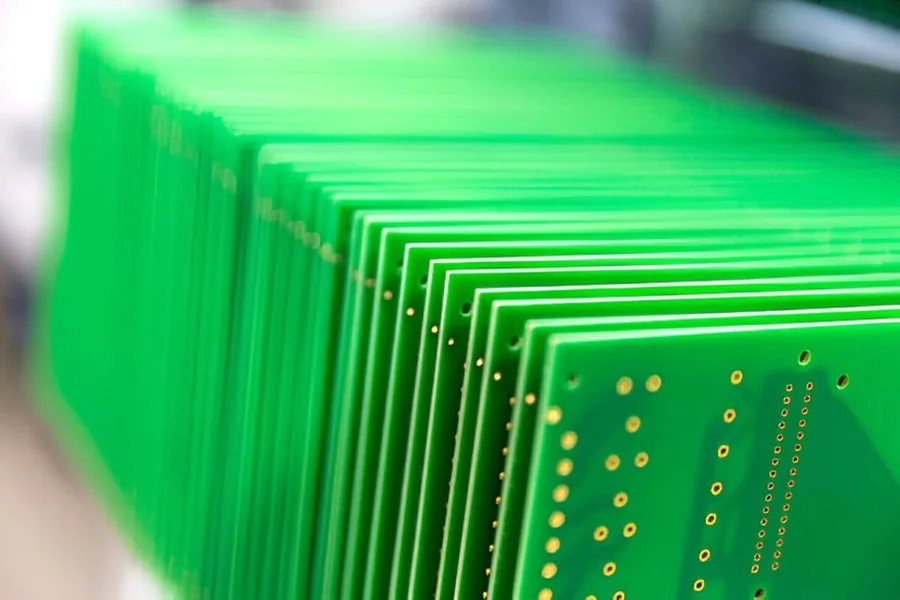
The PCB manufacturing process is one of the most critical elements of modern electronics, serving as the foundation for virtually every device we use today. From smartphones and laptops to medical devices, automotive systems, and industrial machinery, printed circuit boards (PCBs) provide the structural and electrical backbone that allows complex circuits to function reliably. Understanding this process is essential for engineers, businesses, and even end-users who want to appreciate the sophistication behind modern technology.
The Foundation of PCB Manufacturing: Design Stage
At its core, the PCB manufacturing process begins with design. Before a single board is fabricated, engineers create a detailed digital layout using specialized CAD tools. This design outlines the placement of traces, pads, vias, and components, ensuring optimal performance while reducing issues such as signal interference and thermal inefficiencies. The design phase also includes preparing Gerber files, which are industry-standard digital blueprints used by manufacturers to translate concepts into physical boards. Accuracy at this stage is vital, as even minor errors can lead to costly redesigns or product failures later in the cycle.
Material Preparation and Copper Lamination
Once the design is finalized, the manufacturing process moves into material preparation. The base of most PCBs is typically made of fiberglass-reinforced epoxy laminate, often known as FR4, though specialized applications may require high-frequency materials, metal cores, or flexible substrates. This base material is coated with a thin layer of copper, which will later form the conductive pathways of the circuit. The copper-coated laminate is then cleaned to ensure a pristine surface for the next step: applying the circuit pattern.
Photolithography and Etching the Circuit Pattern
The circuit pattern is transferred using a process called photolithography. A photosensitive film, known as photoresist, is applied to the board. Ultraviolet light is then projected through a mask that contains the circuit design. Areas exposed to the light harden, while the unexposed sections remain soft and are later washed away.
After exposure, the board undergoes etching, where a chemical solution removes unwanted copper, leaving behind only the desired traces and pads. Precision here is crucial, as even the smallest defect in a trace can cause circuit failure.
Drilling and Plating
Drilling is the next step in the PCB manufacturing process, and it is essential for creating vias and component holes. High-speed drilling machines with microscopic precision create openings that connect different layers of the board or allow for through-hole component placement. With multilayer boards, this step becomes increasingly complex, as hundreds or even thousands of holes must align perfectly to ensure electrical continuity between layers.
After drilling, the plating process begins. The drilled holes are plated with a thin layer of copper to establish conductivity between the top, bottom, and inner layers of the PCB. This is achieved through an electroplating process, which deposits copper inside the holes and along the board’s surface. This step ensures that signals can travel seamlessly across multiple layers, a necessity for advanced applications like telecommunications equipment and high-speed computing devices.
Protective Layers: Solder Mask and Silkscreen
The next stage involves solder mask application. The solder mask is the green (or sometimes red, blue, or black) protective layer seen on most circuit boards. It covers the copper traces while leaving the pads exposed, preventing accidental solder bridging during assembly and protecting the copper from oxidation.
Following this, silkscreen printing is applied to display component labels, reference designators, logos, and other important markings, making it easier for engineers and technicians to assemble and troubleshoot the board.
Testing and Inspection for Quality
Quality testing and inspection are integral to the PCB manufacturing process. Techniques such as automated optical inspection (AOI) verify that the board matches the design specifications by detecting issues such as shorts, opens, or misaligned traces.
Electrical testing ensures that each connection functions properly. For critical industries like aerospace, automotive safety systems, or medical electronics, additional rigorous testing is performed to meet international standards and certifications.
Surface Finishing and Final Preparation
Once testing is complete, the PCBs move to surface finishing. This step involves applying a protective coating to exposed copper pads to ensure solderability and long-term durability. Common finishes include HASL (Hot Air Solder Leveling), ENIG (Electroless Nickel Immersion Gold), and OSP (Organic Solderability Preservative). Each finish has unique advantages depending on the product’s requirements, cost, and performance expectations.
Finally, the manufactured boards are cut into individual units, cleaned, and prepared for assembly. Depending on the customer’s requirements, the PCBs may be shipped as bare boards or go directly into assembly, where components are soldered using surface-mount technology (SMT) or through-hole technology. At this stage, the board truly transforms into a functional electronic product ready to power countless devices across industries.
The Importance of PCB Manufacturing in Modern Electronics
The PCB manufacturing process is a highly intricate sequence of steps that combines engineering, precision equipment, and quality control. Every stage, from design to final testing, contributes to the performance and reliability of the end product. As devices become more compact, powerful, and complex, PCB manufacturing continues to evolve, incorporating advanced techniques such as laser drilling, HDI (High Density Interconnect) structures, and flexible-rigid hybrid boards.
For businesses looking to bring electronic products to market, partnering with reliable and experienced manufacturers is critical. The industry includes small-scale specialists and global leaders capable of handling high-volume, advanced PCBs. To ensure the highest quality, scalability, and efficiency, working with the largest PCB manufacturers provides access to state-of-the-art facilities, cutting-edge technologies, and robust supply chains that can support even the most demanding projects.
